0
0
 0
0
A recent meta-analysis in the BMC Medicine journal by Teh et al. (2024) evaluated 92 randomised clinical trials evaluating the effectiveness of virtual reality (VR) experiences for reducing pain in the medical setting. It found that when adults (42 studies) and children (50 studies) underwent a painful medical procedure while distracted by full immersion in a VR experience of one type or another, they experience significantly lower pain levels than those undergoing an identical procedure but without a VR headset on.
I first stumbled on this kind of research in the context of child burn victims being given a VR game to play while they were having their dressings changed; a notoriously painful procedure given how hypersensitive heat damaged skin gets. And worse still, the allodynia is resistant to opioid medication, so even a fairly large dose of morphine doesn’t fully block the pain.
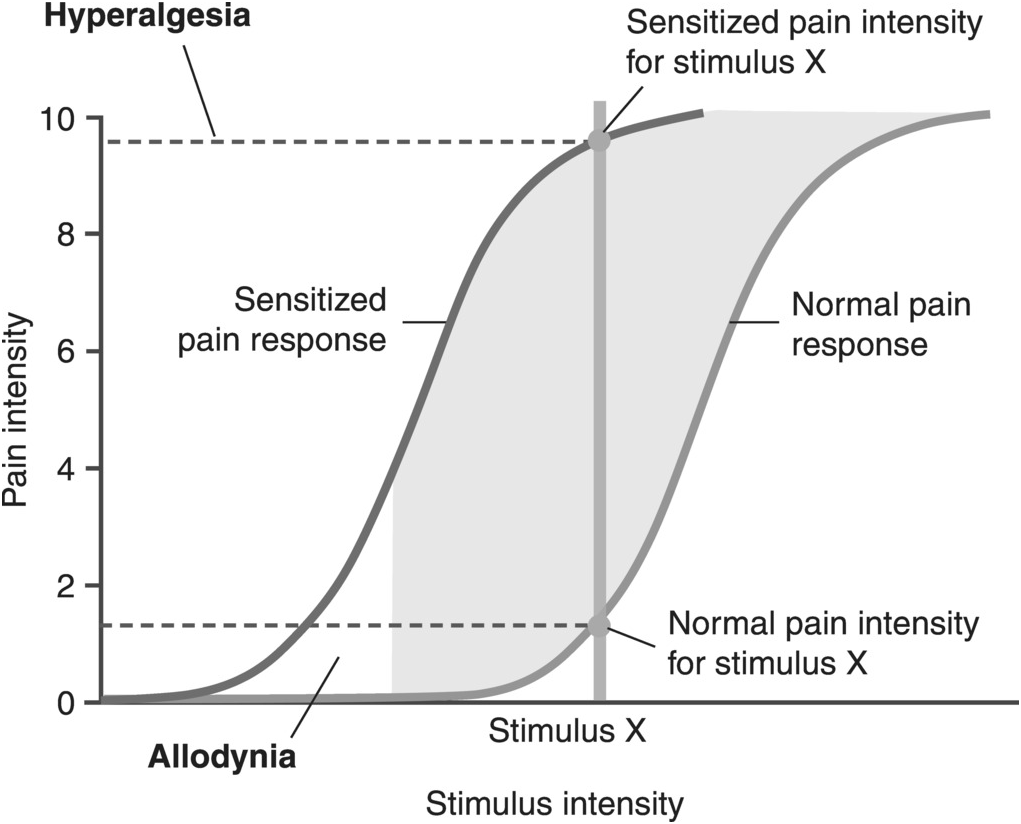
Allodynia describes pain that results from a pressure stimulus that, under normal circumstances would be experiences as a gentle brushing force, but when the skin is damaged by excessive heat is actually perceived as extremely painful.
In this case the game they were playing was designed to evoke concepts that were entirely opposite to the heat pain sensation caused by physical touch on a patch of burned skin, namely a cool, icy, Arctic environment called Snow World where the name of the game is to lob snowballs at an unsuspecting army of penguins and snowmen!

Snow World is the brain child of Hunter Hoffman and David Patterson at the University of Washington (the state, not the capital of the USA) they wanted to find a different approach to opioid medication to help to reduce suffering in kids because of the unwanted side effects. Firstly, the healing process requires the kids to eat, yet opioid medication reduces appetite. Secondly, they need to keep moving in order for the skin to heal appropriately, but high doses of opioid medication leave people groggy and lethargic.
The meta-analysis by Teh and colleagues (2024) demonstrated that analgesic benefits arose with a wide variety of medical interventions and VR experiences. While several VR experiences were interactive, many were entirely was passive. For example, Chen et al (2018) evaluated the effectiveness of a range of passively-viewed immersive experiences like a roller coaster, space exploration or wildlife park on the pain experienced by children while having an intravenous injection. Top and Ayyildiz (2021) dropped 4-6 year old children into an immersive 3D aquarium while they were having blood taken. In another, investigated by Deo et al (2020), women undergoing a painful gynaecological examination watched a 360-degree David Attenborough narrated documentary.
The upshot is that most patients experienced significant drug free analgesia when undergoing painful medical procedures when distracted by a VR experience of one description or another, attesting to the power of using immersive technologies to virtually transport kids and adults to an alternative reality to reduce pain perception as and when required.